CALL US NOW: (+233) 055 551 5232
Our PhD

What Is a PhD?
A PhD is often the highest possible academic degree you can get in a subject. Learn more about whether earning a PhD could benefit your career.
A Doctor of Philosophy, often known as a PhD, is a terminal degree—or the highest possible academic degree you can earn in a subject. While PhD programs (or doctorate programs) are often structured to take between four and five years, some graduate students may take longer as they balance the responsibilities of coursework, original research, and other degree requirements with raising families or working full time.
With a PhD, you may find opportunities to work as a university professor, a researcher in a commercial or government laboratory, a consultant, or a subject matter expert (SME). If you have the intellectual curiosity and dedication, earning a PhD can be a rewarding experience. In this article, we’ll go over what it takes to earn a PhD, the requirements to apply for a PhD program, and other factors worth considering.

What can you get a PhD in?
It’s possible to earn your PhD in a number of academic disciplines, including the natural sciences, humanities, arts, and social sciences. The 2021 Survey of Earned Doctorates, from the National Center for Science and Engineering Statistics, offers a numerical breakdown of actual degrees earned in broad academic fields [1]:
- Engineering: 10,240
- Biological and biomedical sciences: 8,149
- Social sciences: 4,878
- Physical sciences: 4,693
- Psychology: 3,797
- Computer and information sciences: 2,361
- Health sciences: 2,331
- Mathematics and statistics: 2,012
- Agricultural sciences and natural resources: 1,334
- Geosciences, atmospheric sciences, and ocean sciences: 1,064
- Education: 4,252
- Humanities and arts: 4,137
- Business: 1,392
- Other fields: 1,610
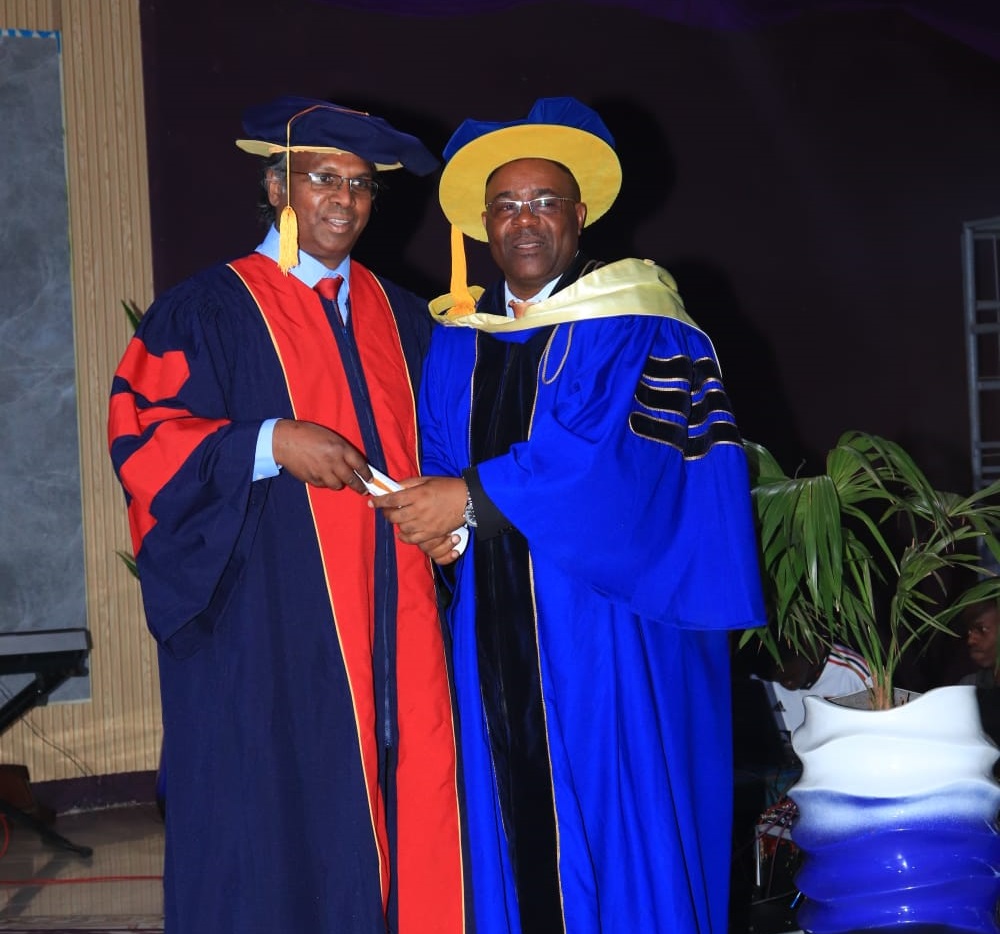
Requirements to apply to a PhD program
PhD programs expect you to meet several requirements before enrolling. Here are some examples of common requirements:
- Have an undergraduate degree, usually with at least a 3.0 overall GPA.
- Have a master’s degree, though some programs may not require it.
- Take the Graduate Record Examination (GRE) and achieve a minimum score.
- Submit a sample of your academic writing.
- Submit your CV.
- Provide letters of recommendation, which should ideally come from academic faculty members who can speak to your research or intellectual abilities.
PhD costs
The average cost of a PhD program in the US is $106,860, though that figure can differ based on the type of institution you attend and what you study.
Reasons to get a PhD
- Earning your PhD can be an immensely rewarding experience, but the degree can be a big commitment, requiring significant time, money, and work.
- Here are some more reasons you may want to pursue a PhD:
- Become a subject matter expert in a particular field.
- Conduct the research you are passionate about.
- Develop transferable skills that can help in your professional life.
- Make a difference in the world with new research.
- Make connections with scholars in your academic community.
- Open up career avenues in academic and research work.
Completing a PhD can reveal to employers that you possess a wide range of competencies that are valued in both academic and non-academic settings.
Requirements to get a PhD
PhD programs typically require at least two years of advanced coursework, as well as comprehensive exams, and the successful completion of a dissertation. Let’s break that down on a year-by-year basis:
- Years 1 and 2: Take classes to develop advanced knowledge in your subject area.
- Year 3: Study for and successfully pass your comprehensive exams.
- Years 4 and 5: Research, write, and defend your dissertation.
Once you have successfully passed your comprehensive exams, you’re typically considered “All But NJ Dissertation” or ABD, which signals that you’ve finished everything in your doctoral program except your dissertation.
In terms of your PhD coursework and research, you will likely be expected to concentrate in some area of your larger subject. For example, PhDs in biology may focus on biochemistry or biostatistics, whereas a PhD in English may concentrate on twentieth-century American literature

Equipping You for Service in God’s Truth and Compassion
Join us at Royal Priest College of Divinity and Humanity, where we are committed to preparing individuals for a life of service, grounded in the divine truth of God’s Word and dedicated to the well-being of all people.